January 21, 2026
In an era where customer expectations for automotive service excellence are at an all-time high, stakeholders in the collision repair ecosystem must adopt a strategic lens to evaluate performance outcomes. For both vehicle owners and industry partners, discerning quality auto body work is not just a functional necessity—it is a commitment to sustained value realization. At Riverdale Collision, our approach is grounded in delivering measurable results, operational transparency, and service excellence that aligns with both regulatory compliance and customer expectations.
Recognizing Professional Standards in Auto Body Repair
When engaging with a provider of auto body services, the first dimension of evaluation is the alignment with established professional standards. A qualified provider will demonstrate robust adherence to manufacturer specifications, industry best practices, and safety protocols. These standards are not abstract ideals; they are codified frameworks that govern every stage of the repair process, from initial assessment to final quality assurance.
In a high-performance environment, quality control systems are integrated into everyday workflows. Technicians should operate within a structured process that includes documented inspection checkpoints. The presence of calibrated tools, up-to-date repair manuals, and certified equipment reflects an operational commitment to precision. This level of procedural maturity is essential for maintaining the integrity of the vehicle's structural and cosmetic components after a collision event.
Furthermore, a provider with a strong professional orientation will invest in continuous training for its workforce. The auto body landscape is dynamic, with evolving technologies in materials, adhesives, and coatings. Keeping staff abreast of these advancements ensures that repair methodologies are both contemporary and compliant with OEM standards. This foundation of professional standards is a baseline criterion for identifying superior auto body work.
Assessing Communication Transparency Throughout the Repair Lifecycle
Quality auto body work extends beyond the physical restoration of a vehicle; it includes the clarity and effectiveness of communication throughout the repair lifecycle. From the moment a vehicle arrives at a facility, the customer experience should be structured, transparent, and client-centric. This means that stakeholders communicate in terms that are clear, measurable, and aligned with customer expectations.
An exemplary auto body provider will implement an intake process that captures key information, communicates anticipated timelines, and outlines cost components in a transparent manner. Customers should not be left to interpret technical jargon without context; instead, they should be empowered through regular updates and access to progress metrics. For example, setting expectations for turnaround time, parts availability, and potential complications should be part of every engagement.
In addition, transparency in communication cultivates trust, which is a differentiator in the auto body space. Customers are investing in both the outcome and the experience. Providers who proactively share insights into the repair strategy, explain repair decisions, and solicit feedback at key milestones consistently outperform those who do not. This level of dialog reinforces customer confidence and helps mitigate potential dissatisfaction.
Evaluating Precision and Quality in Surface Restoration
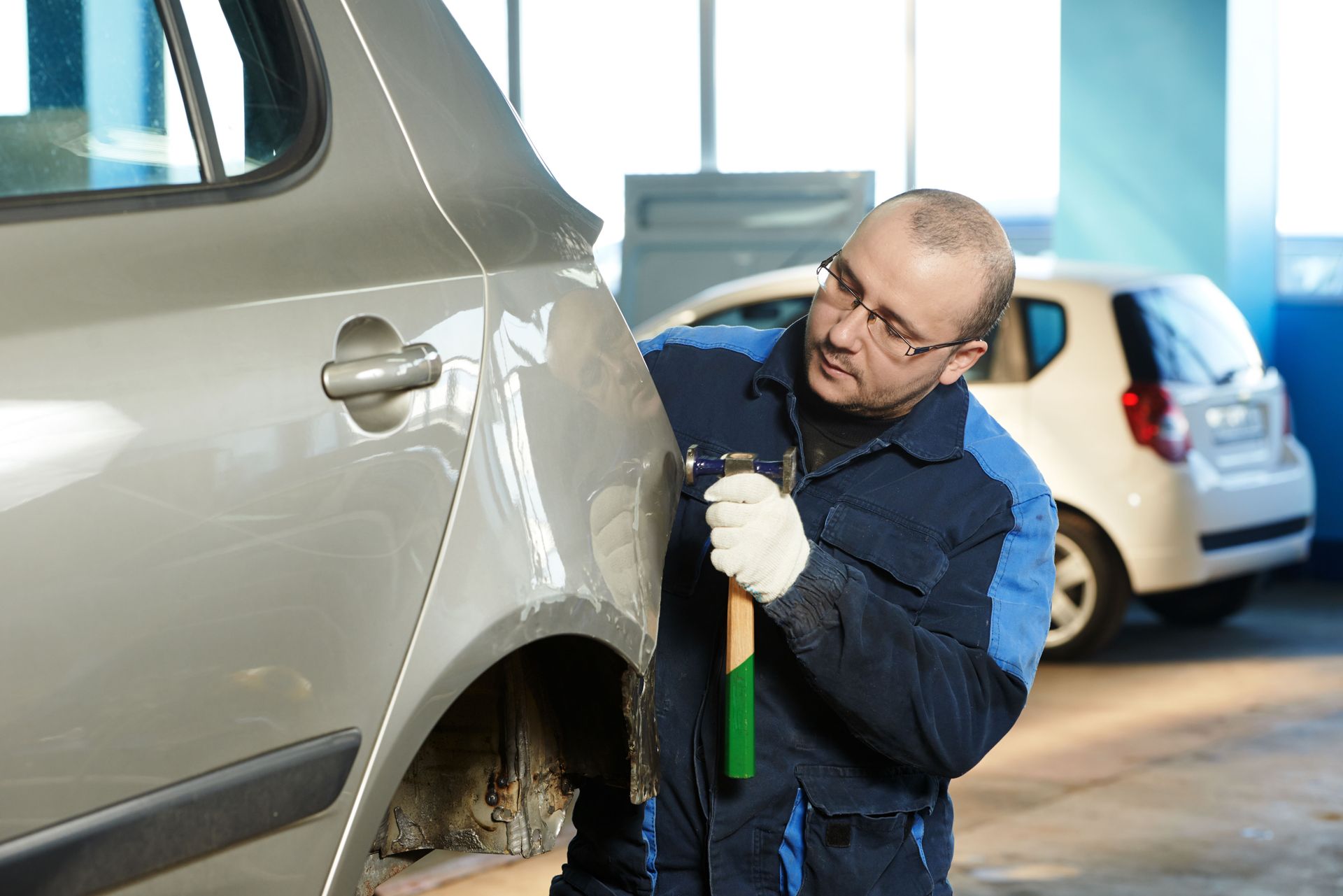
A critical component of auto body work is the visual and structural restoration of a vehicle's exterior surfaces. This dimension encompasses metalwork, panel alignment, paint application, and finishing processes. Quality in surface restoration can be assessed through both qualitative observation and quantitative benchmarks.
One hallmark of superior auto body work is seamless panel integration. When panels are aligned correctly, gaps are uniform, and there are no discernible irregularities in contour or fitment. This precision reflects careful measurement, experienced craftsmanship, and an unwavering attention to detail. The absence of misaligned panels is not accidental; it is a by-product of disciplined execution and rigorous inspection protocols.
Paint application is another significant indicator of quality. A high-standard facility will employ controlled environmental conditions to ensure that paint adheres correctly, cures uniformly, and matches the vehicle's original finish. Color matching requires both advanced technology and seasoned expertise, particularly when blending new paint with existing surfaces. The objective is to achieve visual continuity that is virtually indistinguishable from factory finish.
Moreover, the overall texture and sheen of the paint should be consistent. This is where the emphasis on surface preparation is paramount: any deviation in sanding, priming, or cleaning can lead to imperfections that are immediately visible. Meticulous surface restoration is a reflection of structural respect for the vehicle and a deep commitment to delivering a result that meets or exceeds customer expectations.
Understanding the Value of Comprehensive Detailing Integration
An often overlooked aspect of quality auto body work is the incorporation of comprehensive detailing practices into the post-repair workflow. Detailing is not merely an aesthetic enhancement; it is a strategic step in vehicle restoration that protects surfaces and elevates the overall delivery experience. According to Panda Hub, a standard detailing job usually takes two to four hours, while more complex services such as paint correction take longer. This benchmark helps stakeholders understand the time and expertise commitment associated with high-quality finish work.
When detailing is integrated seamlessly with the repair process, it ensures that every surface of the vehicle is evaluated, cleaned, and protected prior to customer delivery. This includes attention to interior components, glass surfaces, trim pieces, and painted panels. It is an affirmation of thoroughness and a tangible demonstration of the provider's dedication to excellence.
A comprehensive detailing strategy also supports long-term vehicle care. Protective coatings, surface sealing, and fabric conditioning contribute to the longevity of the cosmetic repair. Customers who experience this level of service often associate it with elevated value and are more likely to recommend the provider to others. Thus, integrated detailing plays a dual role: enhancing immediate perception and reinforcing the provider's brand reputation in the marketplace.
Benchmarking Documentation and Warranty Assurance
An often underemphasized indicator of quality auto body work is the presence of robust documentation and warranty assurance. High-caliber providers maintain detailed records of every step in the repair process, including diagnostic findings, parts replaced, techniques used, and quality checks performed. These records serve multiple purposes: they provide transparency for the customer, support internal quality assurance, and establish a defensible position in the event of post-repair inquiries.
Warranty coverage is another critical element. A provider that stands behind its work with a clear, enforceable warranty demonstrates confidence in its processes and accountability for outcomes. Warranties that cover both workmanship and materials send a strong market signal: this provider is committed to long-term performance, not just a one-time delivery.
Customers should be encouraged to ask about warranty terms, the duration of coverage, and any conditions that may apply. Providers who proactively share warranty information and integrate it into the customer engagement process are more likely to build enduring relationships and generate positive referrals.
Analyzing Customer Experience and Satisfaction Metrics
In today's customer-centric economy, experience metrics are as important as technical performance. Organizations that excel in delivering quality auto body work understand that the customer journey is holistic, encompassing pre-service engagement, service execution, and post-service follow-up. Capturing customer satisfaction data through surveys, reviews, and direct feedback loops provides actionable insights that drive continuous improvement.
High satisfaction scores and positive word-of-mouth are often correlated with operational excellence. Customers who perceive a provider as responsive, empathetic, and solutions-oriented are more inclined to become brand advocates. On the other hand, unresolved complaints and communication gaps can erode trust and diminish perceived value.
Leading auto body providers leverage satisfaction metrics to benchmark performance, refine service protocols, and identify opportunities for innovation. They invest in customer relationship management systems, follow-up communications, and personalized engagement strategies. This commitment to customer experience is not ancillary; it is a core operational pillar that supports sustainable growth and competitive advantage.
At its core, the pursuit of innovation drives efficiency, reduces variability, and enhances the overall quality of auto body work. Customers and partners alike benefit from this culture of evolution, which ultimately contributes to stronger brand equity and organizational resilience.
At Riverdale Collision, our integration of these core principles reflects a commitment to operational excellence and customer-centric service delivery. In a competitive landscape, quality auto body work is not an abstract claim—it is an operational reality grounded in measurable outcomes, continuous enhancement, and unwavering dedication to stakeholder satisfaction. If you're looking for auto body work, contact Riverdale Collision today.