May 21, 2026
The exterior of a motor vehicle serves as both a protective shell for passengers and a reflection of the owner's pride in their investment. Unfortunately, the road is an unpredictable environment where hazards range from stray shopping carts in a crowded parking lot to significant multi-vehicle collisions on the highway. When structural or aesthetic integrity is compromised, specialized technicians step in to restore the vehicle to its original condition. These professionals utilize advanced tools and refined techniques to reverse the effects of daily wear and unforeseen accidents. Understanding the specific categories of restoration work performed by experts can help vehicle owners appreciate the complexity involved in maintaining a safe and attractive automobile.
1. Rectifying Scratches and Paint Imperfections
Surface abrasions are among the most frequent issues addressed by teams providing auto body repair services. These blemishes often occur from minor contact with road debris, overgrown vegetation, or accidental scrapes against stationary objects. Even though a scratch might appear to be a purely cosmetic problem, it can expose the underlying metal to moisture and oxygen. Over time, this exposure leads to oxidation and rust, which can eventually eat through the panel and cause permanent structural weakness if left unaddressed by a professional team.
To resolve these imperfections, technicians must meticulously sand the affected area to create a smooth foundation for new coatings. This process involves multiple stages of refining the surface before applying primer, base coats, and clear coats that perfectly match the existing finish. Precision is vital during the color-matching phase to ensure the repaired section blends seamlessly with the rest of the car. By utilizing high-quality pigments and computerized mixing systems, shops ensure that the restoration is invisible to the naked eye and provides a durable barrier against future environmental damage.
2. Smoothing Dents and Door Dings
Dents are a common frustration for drivers who frequent busy metropolitan areas or narrow parking structures. These indentations often happen when a car door is swung open into another vehicle or when a heavy object strikes the exterior panels. While some minor depressions can be massaged out using paintless methods, deeper creases often require more traditional intervention. Technicians assess the depth and location of the impact to determine the most effective strategy for returning the metal or plastic component to its factory specifications and intended shape.
For more significant indentations, the repair process may involve specialized pulling equipment that gently coaxes the metal back into alignment without stretching the material. Once the general shape is restored, body filler is applied in thin layers and sanded down to achieve a perfectly contoured surface that aligns with the original design of the vehicle. This stage of auto body repair services requires a high degree of craftsmanship and an eye for symmetry. The final result ensures that the silhouette of the car is preserved and that the structural integrity of the panel remains consistent with safety standards.
3. Replacing Damaged Glass and Windshields
Windows and windshields are integral components of the safety system of a vehicle, providing structural support to the roof and clarity for the driver. Rocks kicked up by tires on the freeway can easily chip or crack the glass, creating a safety hazard that obscures vision and weakens the entire unit. Because modern windshields often house sensors for advanced driver assistance systems, replacing them is a technical task that goes beyond simply fitting a new piece of glass. Any compromise in the transparency or strength of these components necessitates immediate professional attention to ensure the safety of all occupants.
When a windshield is replaced, the old glass is carefully removed, and the frame is cleaned of any residual adhesive to prevent leaks. The new glass must be bonded using industrial-strength polyurethanes that can withstand the pressures of airbag deployment and environmental stress. In many cases, the cameras and sensors attached to the glass must be recalibrated to function correctly after the installation is complete. Providing these comprehensive auto body repair services ensures that the vehicle remains a safe environment and that all high-tech safety features continue to operate as the manufacturer intended.
4. Realigning Frames and Structural Components
Major impacts often lead to hidden damage that affects the very skeleton of the vehicle, known as the frame or unibody. When a car suffers a significant blow, the energy can cause the steel or aluminum structure to bend or crumple in ways that are not always visible from the outside. A misaligned frame can lead to uneven tire wear, poor handling, and a decrease in the ability of the car to protect passengers in a subsequent accident. Because of these risks, structural alignment is one of the most critical tasks performed by a modern restoration facility.
To fix these issues, shops use heavy-duty frame straightening machines that employ hydraulic pressure to pull the metal back to its exact factory dimensions. Technicians rely on laser measuring systems to verify that every point on the chassis is positioned within a fraction of a millimeter of its original coordinates. According to Kelley Blue Book, drivers are advised to have a qualified mechanic inspect their vehicle at least every 12 months to detect potential problems. Including these structural checks as part of regular auto body repair services prevents minor misalignments from turning into expensive and dangerous mechanical failures over the lifespan of the car.
5. Restoring Bumpers and Trim Pieces
Modern bumpers are designed to absorb the energy of low-speed impacts, which often results in them becoming cracked, scuffed, or detached during minor mishaps. Because they are typically made of plastic or composite materials, they require different handling than the metal panels found on the rest of the car. A damaged bumper can compromise the aesthetic appeal of a vehicle and may also interfere with the operation of parking sensors or fog lights. Restoration specialists focus on either repairing the plastic through heat welding or replacing the entire unit if the internal reinforcements are compromised.
The process of refinishing a bumper involves cleaning the surface of road oils and applying specialized plastic fillers that remain flexible after they cure. This flexibility is essential because bumpers are designed to give slightly under pressure, and rigid paint or filler would simply crack. After the surface is prepped and smoothed, it is painted to match the body color of the vehicle. By offering these specialized auto body repair services, shops help owners maintain the resale value and functionality of their cars while ensuring that all integrated safety sensors are repositioned and tested for accuracy.
6. Fixing Fender and Quarter Panel Damage
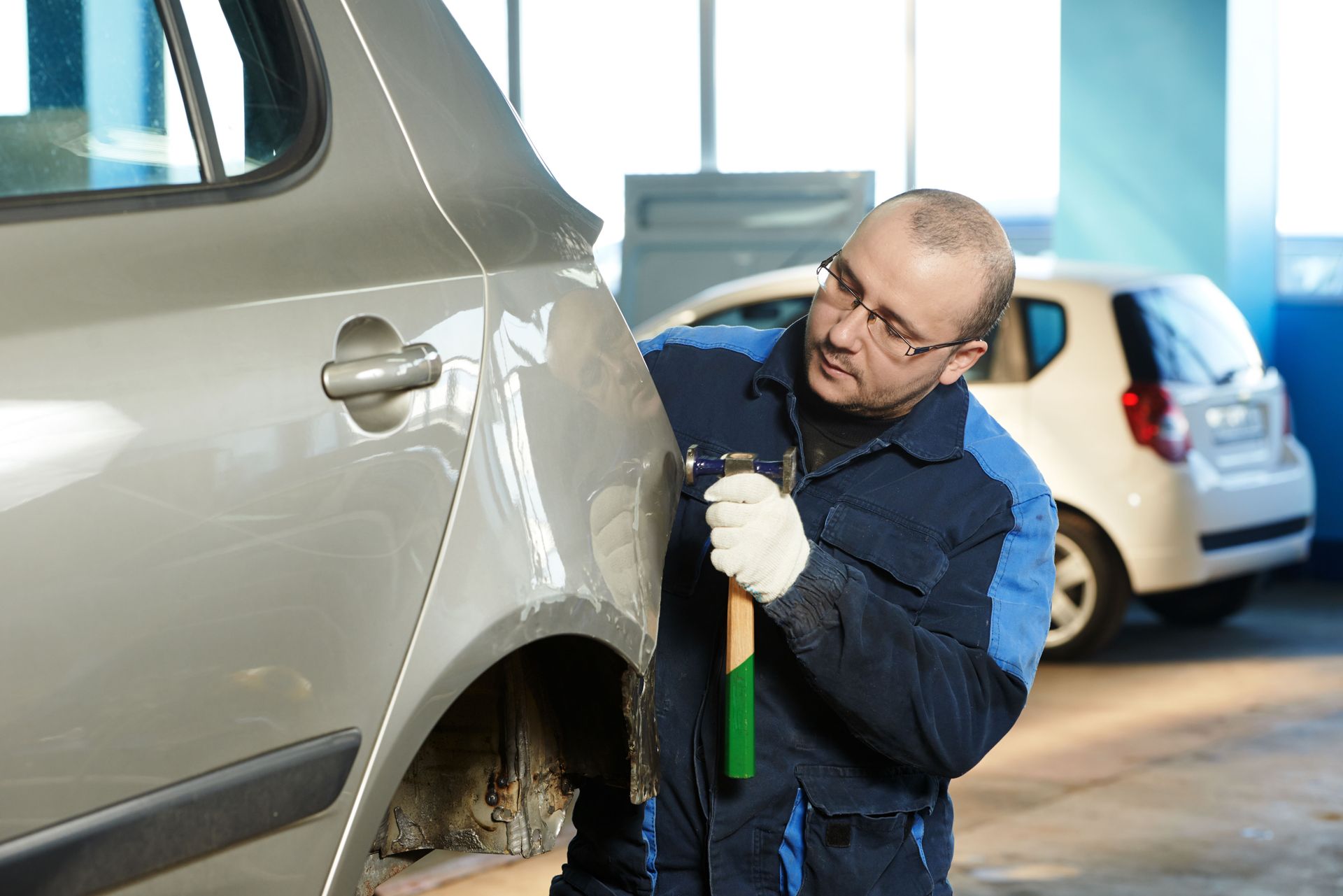
The areas surrounding the wheels are particularly vulnerable to impact during side swipes or cornering accidents. Fenders and quarter panels are often bolted or welded to the main structure, making their restoration a labor-intensive process that requires removing various trim pieces and lighting components. Unlike a hood or a trunk lid, which can be easily swapped, a rear quarter panel is often a permanent part of the body shell.
During this type of restoration, it is crucial to maintain the original factory seams and corrosion protection to prevent future issues with rust. Technicians use specialized welding techniques that minimize heat distortion, ensuring that the new metal integrates perfectly with the existing structure. Once the welding is complete, the seams are sealed, and the area is prepared for the painting process.
Maintaining the condition of a vehicle requires a combination of careful driving and the support of skilled professionals who understand the science of automotive restoration. From the smallest paint chip to the most complex frame realignment, the work performed at a specialized facility ensures that your car remains a reliable and safe mode of transportation. Regular inspections and prompt attention to damage can prevent minor issues from escalating into major safety concerns or financial burdens. By trusting experts to handle these various types of damage, you ensure that your vehicle will continue to serve you well for many years to come. If you have noticed any imperfections or have recently been involved in an accident, please contact Riverdale Collision.