September 21, 2026
Local auto body repairs are often procrastinated by vehicle owners due to various reasons, ranging from financial constraints to underestimating the severity of the damage. However, delaying these repairs can lead to significant financial implications. This article explores the myriad ways in which postponing local auto body repairs can be more costly in the long run.
The Escalation of Minor Damage
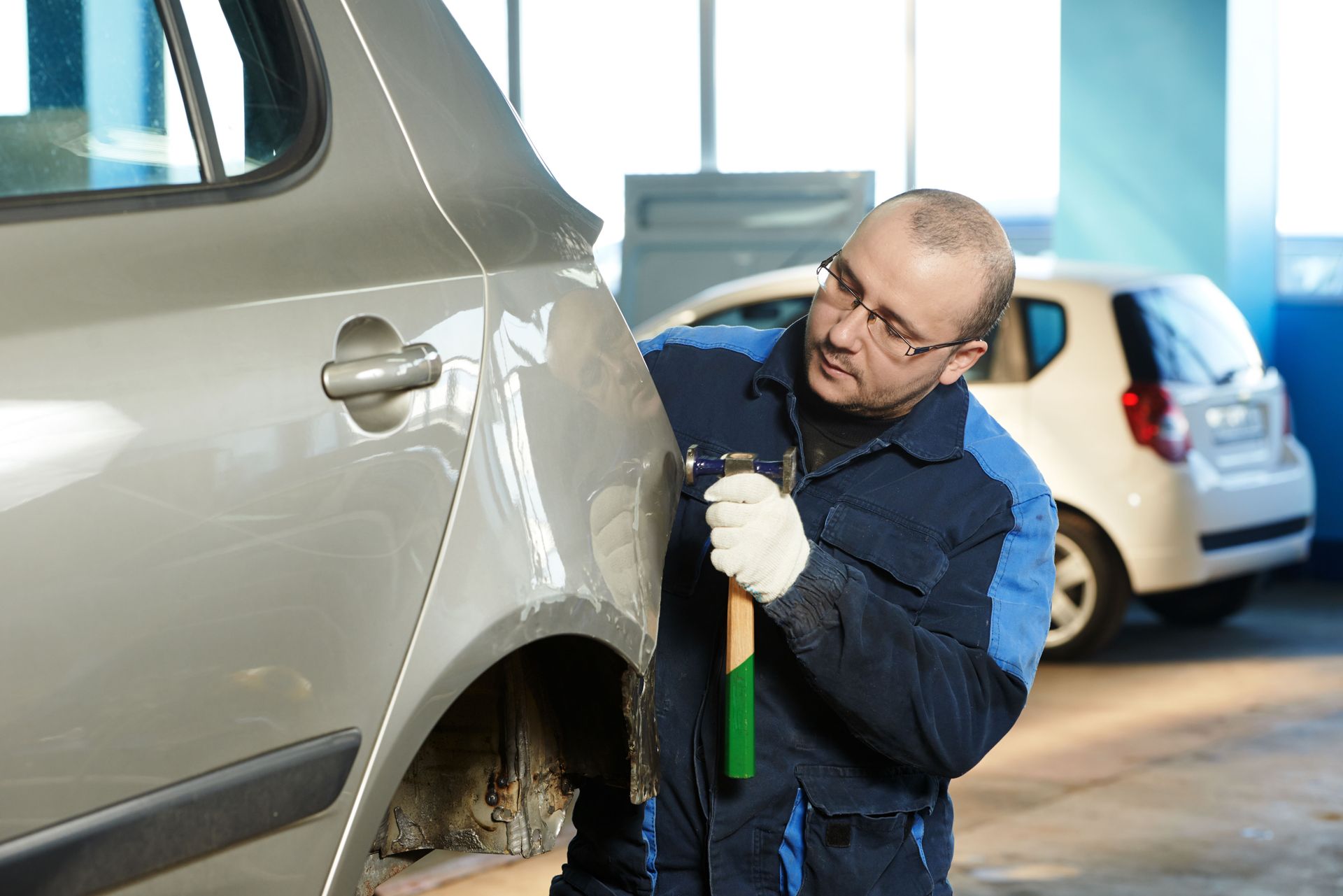
Many vehicle owners view minor scratches or dents as inconsequential, leading them to delay repairs. However, these seemingly minor issues can have a cascading effect, aggravating structural components over time. As the vehicle continues to be used, the pressure and stress increase, leading to complex structural damage that is costly to repair. For older vehicles, especially those nearing the average age of 13 years, according to Kelley Blue Book, the risk of exacerbated structural problems is higher due to wear and tear. Addressing structural repairs early can prevent the need for more extensive fixes later on.
Exposure to the elements can accelerate the corrosion of a vehicle's body, especially when left unrepaired. Even small dents can chip away at protective paint layers, permitting moisture penetration and subsequent rust formation. Rust not only affects the aesthetics of a car but can also weaken its frame, potentially leading to hazardous situations. The longer the repair is delayed, the more pervasive rust becomes, ultimately affecting more extensive areas of the vehicle. For vehicles averaging 13 years old, safeguarding against rust through timely repairs is essential to maintain structural integrity.
Paint damage tends to worsen over time if not addressed promptly, especially when protective coatings are compromised. Ultraviolet rays, rain, and pollution contribute significantly to the deterioration of paint, allowing further ingress of damaging agents. As a result, what might have been a minor touch-up job initially could escalate into an expensive full-panel repaint. For vehicles nearing the average age of 13 years, maintaining the paint not only preserves the car’s value but also protects underlying materials from deterioration. Proactive repairs can thus safeguard both the vehicle's appearance and value.
Impact on Vehicle Resale Value
When it comes to selling a vehicle, documentation and repair records play an essential role in building trust with potential buyers. Vehicles that show consistent upkeep through regular repairs and maintenance often command higher resale values. Delays in addressing auto body repairs can result in less favorable documentation, reflecting negligence in care. For vehicles at the 13-year mark, as per Kelley Blue Book's statistics, maintaining a detailed record of timely repairs can significantly enhance resale prospects. Effective documentation signals to buyers that the vehicle has been well-maintained, thus presenting a lower risk in future repairs
First impressions are crucial when it comes to selling a car, as they heavily influence a buyer's perception and decision-making process. Visible damage, no matter how minor it might seem to the seller, can deter potential buyers or lead to undervaluation of the vehicle. An unkempt exterior suggests deeper underlying problems or neglect, prompting buyers to either lower their offer or walk away. For vehicles around 13 years old, retaining a pristine appearance through timely repairs can make a significant difference in how they are perceived in the market. Maintaining aesthetic value through immediate attention to damage is thus a prudent financial investment.
The depreciation of a vehicle is an unavoidable reality, but this process can be accelerated by delayed auto body repairs. Neglecting repairs diminishes a car's market value because potential buyers factor in both repair costs and potential future complications. Vehicles that are approximately 13 years old are already subject to increased depreciation rates; postponing repairs further compounds this. Ensuring that damage is promptly repaired means retaining a higher proportion of the vehicle’s potential market value. Ultimately, staying on top of repairs can mitigate losses associated with depreciation, ensuring that vehicle owners derive the most value upon resale.
Insurance Complications
Insurance policies can often become a tangled web of complications when repairs are delayed. Insurers may deny claims if they assess that delayed repairs have led to preventable worsening of conditions. This is especially concerning for vehicles that are of advanced age, such as those around 13 years old, because parts may already be compromised. Actively addressing issues ensures that vehicle owners stand on firmer ground when it comes to making insurance claims. Timely repairs not only protect the vehicle but also safeguard owners from potential claim denials.
Delaying repairs can indirectly contribute to higher insurance premiums. Insurers can view unrepaired damage as a risk factor, potentially leading to higher premiums due to perceived negligence. The cost of any repair surcharges added to insurance premiums could outweigh the immediate cost of fixing the damage. Moreover, for vehicles that have surpassed the decade mark, maintaining them through regular repairs can indicate responsible ownership, which may help lower insurance risks. Therefore, staying on top of repairs can indirectly benefit owners financially in terms of insurance costs.
Insurance coverage plans, particularly comprehensive ones, often require maintaining vehicles in good repair to remain valid. Ignoring necessary repairs can lead to challenges during claim processing or even policy cancellations. For vehicles, especially those approaching or within the 13-year age bracket, staying proactive with repairs aligns with the demands of comprehensive coverage plans. By ensuring that a vehicle remains in optimal condition, owners uphold the validity of their policies. Ultimately, prompt repairs eliminate potential conflicts and ensure seamless insurance coverage.
Cost of Additional Repairs
Delays in local auto body repairs can result in damage spreading to other parts of the vehicle, leading to collateral repair needs. Originally localized issues can metastasize, affecting different vehicle systems and further complicating the initial problem. For vehicles nearing the age of 13 years, the risk of widespread damage is even more pronounced due to the natural wear and tear already present. Addressing the initial issue promptly reduces the risk of such collateral damage, translating into cost savings in the long run. The financial burden of compounded repairs significantly outweighs the cost of taking care of minor damages as they occur.
Labor costs escalate with the complexity and duration of a repair, which is directly affected by the extent of the damage. Delayed repairs often demand more intricate work and longer hours, leading to increased labor costs. Older vehicles, such as those around the 13-year mark, often come with additional work due to potential rust, obsolete components, or compounded damage. Taking immediate action when problems arise ensures that repair tasks remain as straightforward and inexpensive as possible. The proactive approach often results in minimized labor time and costs, while avoidance leads to costlier interventions.
The time it takes to repair a vehicle can significantly increase if issues have been left to worsen, which leads to extended vehicle downtime. For vehicle owners, this downtime can translate into additional costs, such as rental cars or using alternative transportation methods. Vehicles closer to the 13-year-old average are particularly prone to lengthy downtimes as they may require hard-to-find parts or extra handling care. Quick and timely repairs minimize the time a vehicle is off the road, thus reducing related ancillary costs. Owners thereby benefit from a more efficient repair process with minimal disruption to their daily routines.
Delaying local auto body repairs, while seemingly a cost-saving maneuver initially, often results in higher financial burdens, safety hazards, and adverse effects on vehicle longevity. Timely repairs not only uphold vehicle integrity but also prevent compounded expenses and enhance overall safety. It is advisable for vehicle owners to approach minor damages with immediate attention to avoid significant repercussions in the future. For
local auto body repairs you can rely on, contact Riverdale Collision today.