September 22, 2026
As more drivers keep their vehicles longer, collision repair shops are seeing a wider mix of vehicle ages, technologies, materials, and repair histories. That shift is changing how technicians approach damage assessments, parts selection, structural repairs, refinishing, and safety-system restoration. For drivers, local auto body repairs increasingly involve balancing vehicle age with repair quality, parts availability, insurance considerations, and the need to keep an older vehicle dependable after a collision.
According to CCC Intelligent Solutions' 2026 Crash Course Report, vehicles six years old or newer accounted for 58.3% of repairable collision claims in 2025, down from more than 67% in 2020. That change shows that older vehicles now represent a larger share of collision repair work. As the average vehicle fleet ages, body shops must be prepared to address a broader range of repair conditions while still restoring appearance, structural integrity, and safe operation.
Adapting Repair Planning for Older Vehicles
Evaluating Previous Repairs
Older vehicles are more likely to have undergone previous body work, paint correction, bumper replacement, or structural repair. These earlier repairs can affect how new damage is evaluated. Technicians may need to distinguish between fresh collision damage and older conditions so the current repair plan accurately reflects what happened in the most recent accident.
Evaluating Existing Wear
Age-related wear can complicate local auto body repairs because faded paint, corrosion, brittle trim, and worn mounting points may already be present. A careful inspection helps separate normal aging from collision-related damage while giving vehicle owners a clearer understanding of what can be restored during the repair.
Evaluating Structural Condition
Even when exterior damage appears minor, an older vehicle may have underlying wear or previous structural stress. Professional measurements and inspections can help determine whether frame or unibody components have shifted and whether additional correction is needed before cosmetic work begins.
Evaluating Repair Priorities
With aging vehicles, repair planning often involves deciding which items are essential to safety and function and which are cosmetic. That distinction can become especially important when repair costs must be balanced against the overall value and condition of the vehicle.
Adapting Parts Selection for Aging Models
Comparing Available Components
Parts availability can become more complicated as vehicles get older. Some original components may no longer be widely stocked, while alternative parts may vary in fit, finish, and availability. Repair professionals must account for these differences when planning timelines and estimating costs.
Comparing Fit and Compatibility
A replacement panel or bumper must fit correctly with surrounding components. Local auto body repairs on older models may require more attention to fit because previous repairs, wear, or discontinued parts can affect how replacement pieces align with the vehicle.
Comparing Repair and Replacement
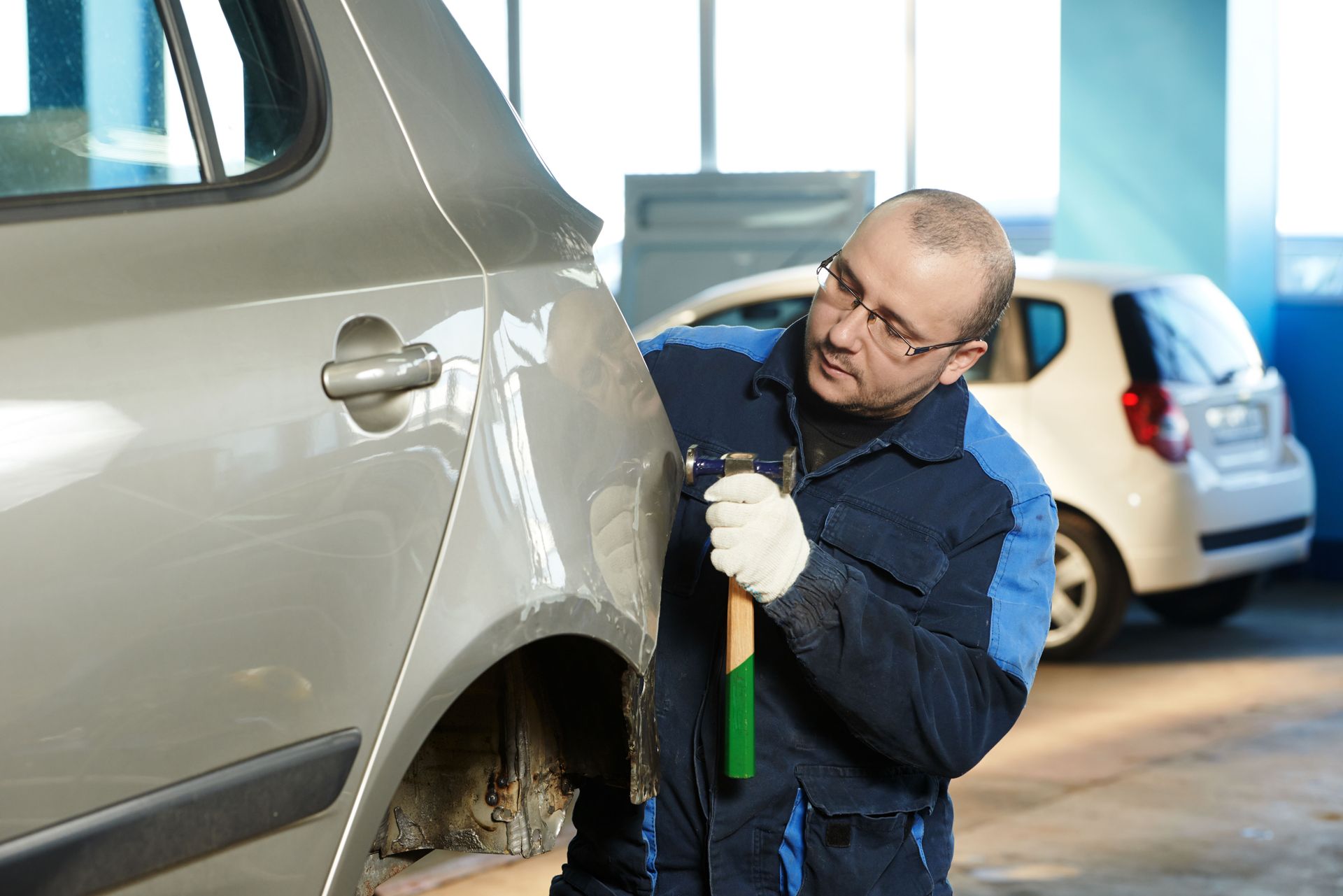
In some cases, repairing an existing panel may be more practical than replacing it, especially when replacement parts are difficult to source. In other situations, a new component may provide a better result. The best approach depends on the damage, material, and available parts.
Comparing Lead Times
Older vehicles can sometimes require more time for parts sourcing. Repair shops may need to work with multiple suppliers or consider alternative options. Clear communication about availability can help customers understand why some repairs move quickly while others take longer.
Adapting Paint and Finish Matching
Matching Faded Paint
Paint changes naturally after years of sunlight, weather, and washing. Matching a factory color code alone may not produce a seamless result on an older vehicle. Technicians often need to account for fading so repaired panels blend more naturally with the surrounding finish.
Matching Previous Refinish Work
Vehicles that have already been repainted may have slight differences in color or texture between panels. Local auto body repairs must take those variations into account so a newly refinished area does not stand out from earlier work elsewhere on the vehicle.
Matching Surface Texture
Gloss, orange peel, and clear-coat condition can all change over time. A good repair does more than match color; it also aims to create a consistent finish across adjacent surfaces so the result looks integrated rather than isolated.
Matching Long-Term Appearance
Proper refinishing can help an older vehicle look more cohesive after a collision. While existing age-related wear will still influence the overall appearance, careful blending and surface preparation can prevent repaired areas from appearing noticeably different.
Adapting to Older Safety and Technology Systems
Reviewing Sensor Placement
Many vehicles that are several years old still contain parking sensors, cameras, blind-spot systems, and other driver-assistance features. These components may be integrated into bumpers, mirrors, or body panels, making proper repair and reinstallation important.
Reviewing Calibration Needs
Some collision repairs require recalibration of cameras or sensors after parts are replaced or structural alignment changes. Local auto body repairs increasingly involve confirming whether these systems need additional service before the vehicle is returned to the road.
Reviewing Electrical Connections
Older wiring and connectors may be more fragile than those on newer vehicles. When body components are removed, technicians must inspect related electrical connections carefully to avoid introducing new problems during the repair process.
Reviewing System Function
After collision work is complete, checking that affected safety and convenience systems operate correctly can be an important final step. This is especially relevant when repairs involve bumpers, mirrors, lighting, or other areas that contain electronic components.
Adapting Insurance and Cost Discussions
Considering Vehicle Value
As vehicles age, repair costs can represent a larger percentage of their market value. That can influence insurance decisions and whether a vehicle is considered repairable. Customers may need clear explanations about estimates, deductibles, and the relationship between repair cost and vehicle value.
Considering Repair Scope
Local auto body repairs on older vehicles may require more discussion about what is included in the claim and what damage existed beforehand. Accurate documentation can help separate collision-related repairs from unrelated wear or prior damage.
Considering Parts Choices
Insurance policies and repair plans may affect which parts are approved. Older vehicles may have more aftermarket, recycled, or remanufactured options available. Understanding those choices can help customers make informed decisions about cost and repair quality.
Considering Long-Term Ownership
Some owners plan to keep an older vehicle for many more years, while others may be closer to replacing it. That context can influence how they approach repairs, especially when deciding whether to address additional cosmetic issues at the same time.
Adapting Shop Expertise to a Mixed-Age Fleet
Expanding Technical Knowledge
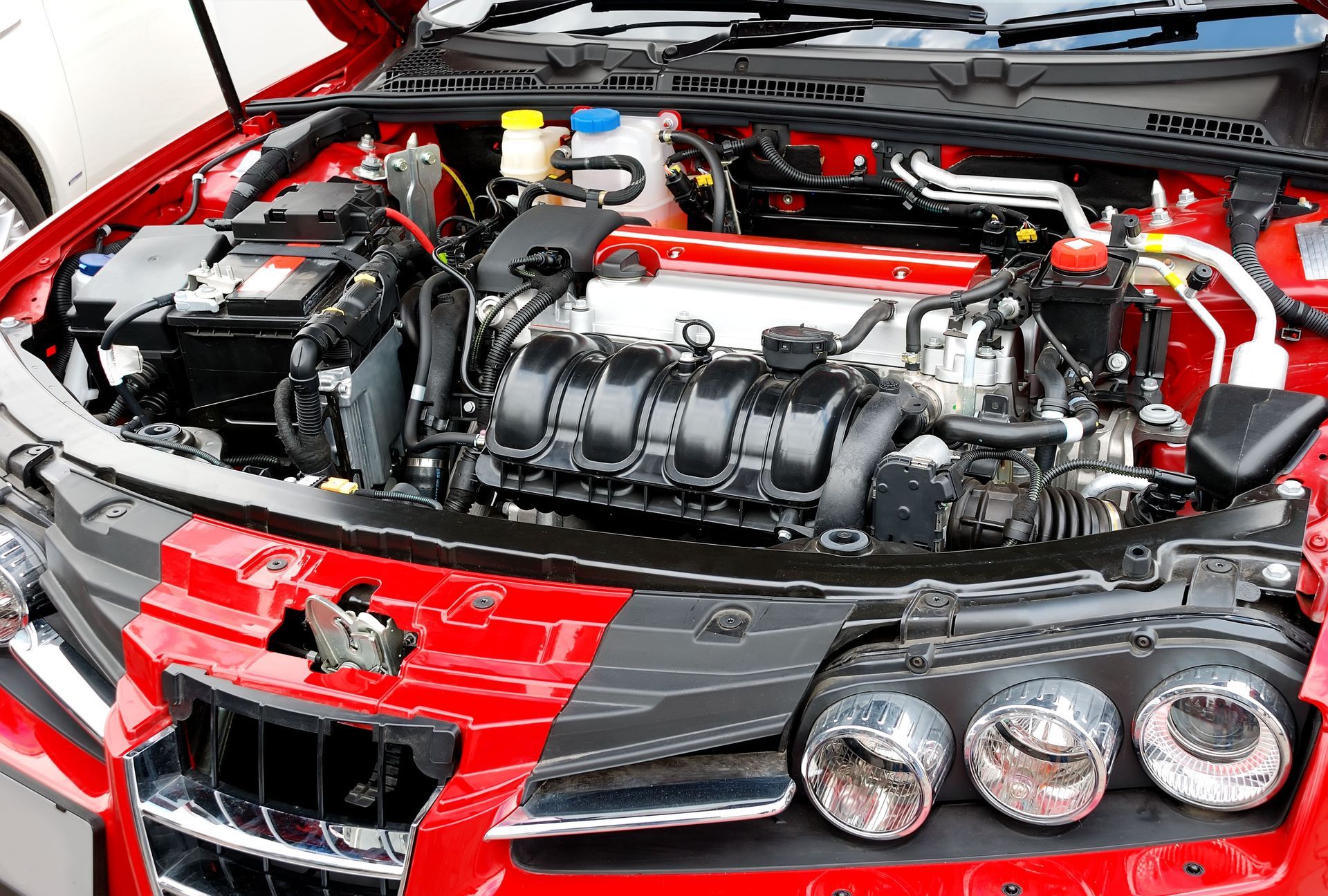
Repair shops now work on vehicles that span several generations of materials, electronics, and construction methods. A technician may encounter traditional steel on one vehicle and more advanced materials or integrated sensors on the next. Broad technical knowledge is becoming increasingly important.
Expanding Diagnostic Skills
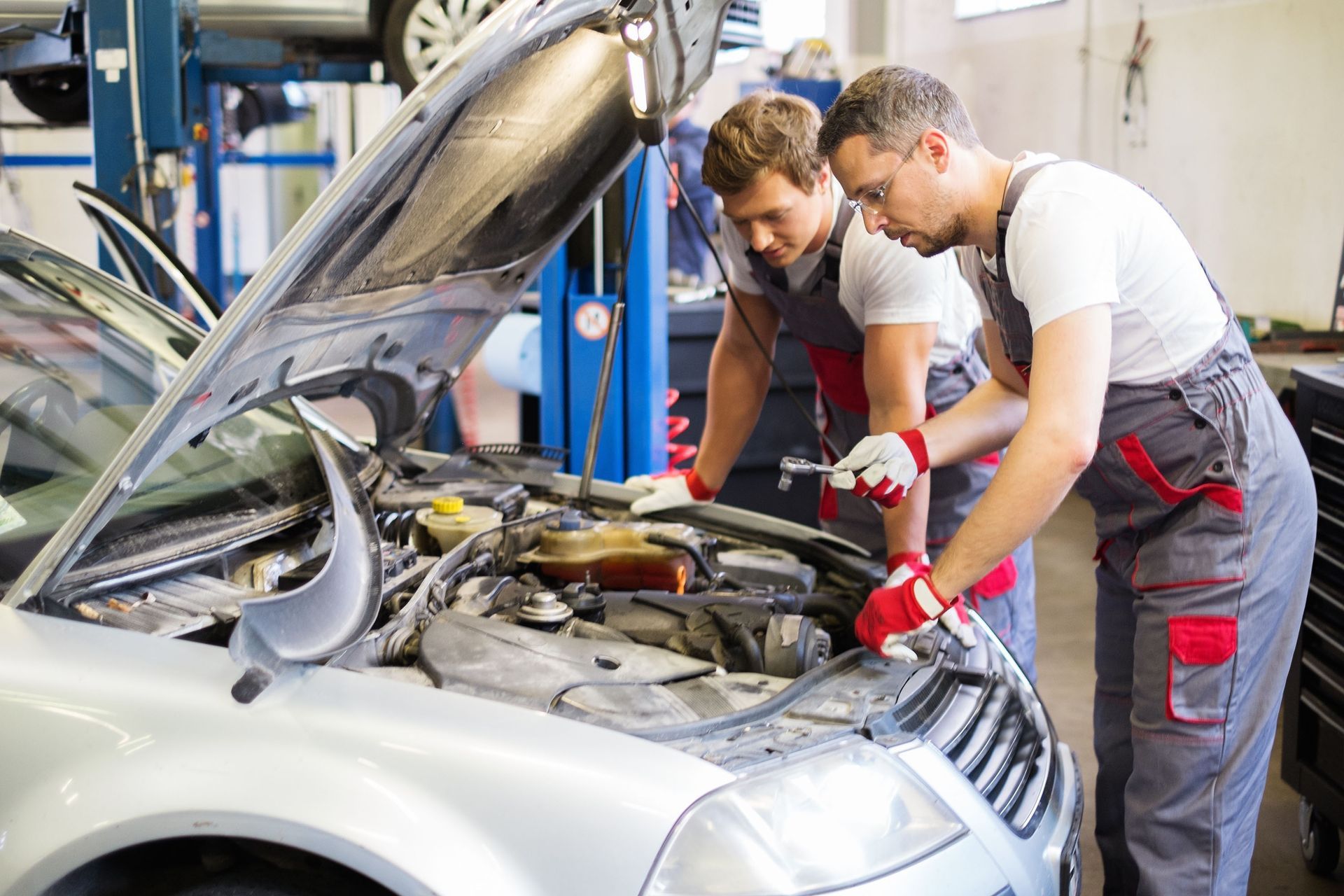
Local auto body repairs are no longer limited to visible dents and paint damage. Technicians may need to evaluate structural alignment, electronic systems, sensor operation, and hidden damage before determining the full repair plan.
Expanding Communication
Customers with older vehicles often have more questions about whether a repair makes financial sense, how long parts will take, and what results they can expect. Clear communication helps set realistic expectations and reduces uncertainty throughout the repair process.
Expanding Repair Flexibility
An aging vehicle fleet requires repair shops to be flexible. Different vehicles may call for different parts strategies, refinishing approaches, or repair methods. That flexibility allows experienced shops to adapt while still focusing on safety, appearance, and dependable results.
As more vehicles remain on the road for longer periods, collision repair continues to evolve. Older vehicles bring different challenges involving previous repairs, parts availability, paint matching, technology, insurance decisions, and long-term value. Professional local auto body repairs can help owners navigate those issues while restoring damaged vehicles with attention to safety and appearance. For experienced collision repair support for vehicles of different ages and conditions, contact Riverdale Collision today to schedule an evaluation and discuss the right repair approach for your vehicle.