July 20, 2026
The aftermath of a vehicular collision involves far more than dealing with superficial scratches, dented doors, or scraped paint. While cosmetic damage is immediately visible and visually jarring, the true danger often hides beneath the surface of the vehicle skin, where the underlying skeletal architecture resides. Modern automobiles are engineered with intricate, highly sophisticated structural systems designed to shield passengers by absorbing and redirecting violent kinetic forces. When an accident compromises this internal framework, the vehicle loses its ability to protect occupants in any subsequent mishaps. Professional intervention becomes an absolute necessity to diagnose hidden stress points, fix warped components, and ensure the vehicle can perform its safety duties once again. Comprehensive restoration processes look past the exterior aesthetics to systematically rebuild the structural foundation of the machine, guaranteeing that it remains roadworthy and resilient.
With countless motorists sharing the highways every single day, the sheer volume of traffic makes automotive safety an ongoing national priority. The massive scale of modern road use is highlighted by automotive market research data; according to Kelley Blue Book, 289 million light-duty vehicles are registered in the United States, including cars, pickup trucks, and sport utility vehicles, marking an increase of 3 million from the prior year. This dense population of motorists means that collisions are an unfortunate reality of daily travel, making high-quality restoration services vital for keeping families safe. When specialized technicians undertake the task of fixing an accident-damaged vehicle, they rely on specialized engineering principles to return the metalwork to its factory specifications. Through meticulous assessment and advanced reconstruction techniques, these structural corrections prevent minor impacts from permanently weakening the vehicle platform.
Alignment of Frame Components
The cornerstone of structural restoration involves returning a bent or twisted chassis back to its precise factory dimensions. During a severe impact, the heavy steel or aluminum perimeter frame can shift, disrupting the balance of the entire vehicle. Specialized technicians utilize heavy-duty hydraulic pulling equipment coupled with computerized laser measuring systems to pull the distorted metal back into position slowly and carefully. This process requires extreme precision, as even a microscopic deviation can cause uneven tire wear, tracking issues, and improper suspension geometry. By achieving perfect realignment, professional mechanical intervention ensures that the vehicle handles predictably at highway speeds and that all underlying mechanical components sit exactly where the original manufacturers intended.
Replacement of Compromised Panels
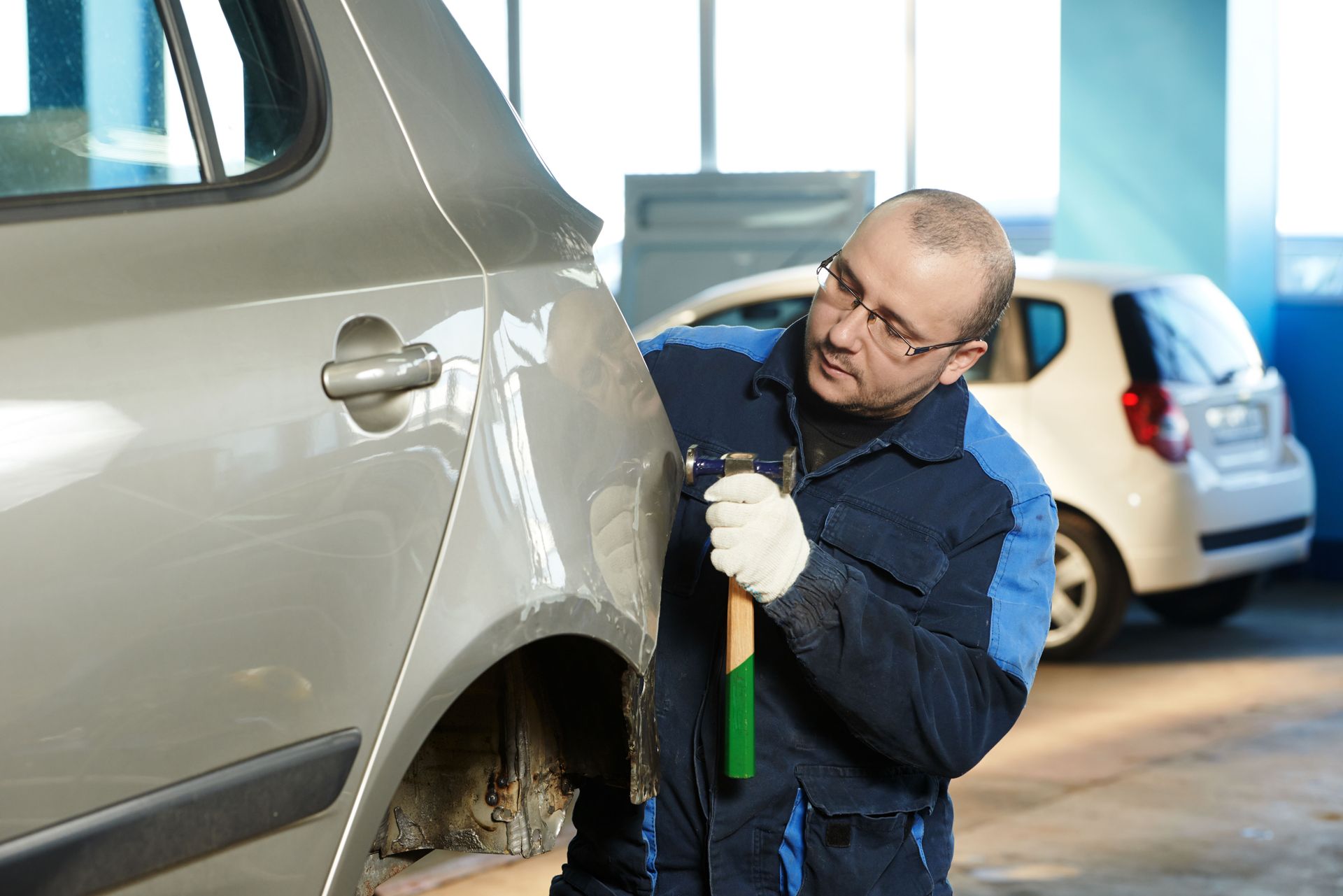
Certain structural sections of a modern automobile are engineered to be sacrificial, meaning they must be entirely swapped out rather than hammered flat after a heavy impact. High-strength steel components and inner structural pillars lose their molecular strength once they undergo severe deformation, rendering them incapable of withstanding another collision. When executing comprehensive auto body repairs, technicians carefully cut away these fatigued metal sections along approved factory seam lines. They then install brand-new, original equipment manufacturer replacements that possess full structural integrity. This precise method guarantees that the outer shell remains robust, preventing compromised, soft metal from collapsing under future stress and maintaining the rigid safety cage that surrounds the passenger compartment.
Application of Advanced Welding
Joining new structural metals requires specialized technical training and cutting-edge equipment that goes far beyond basic mechanical bonding. Modern automotive manufacturing relies heavily on sophisticated alloys that demand precise heat control during assembly to prevent the metal from becoming brittle or weak. Professional technicians utilize factory-grade spot welders and specialized gas metal arc welding techniques that replicate the original factory assembly methods. This meticulous approach to joining metal during auto body repairs ensures that every single seam, bracket, and reinforcement pillar is fused with maximum strength. Proper thermal management prevents the surrounding metal from warping, creating unified bonds that allow the vehicle frame to distribute operational stress evenly across the entire platform.
Restoration of Crumple Zones
Automotive engineers intentionally design specific regions of a vehicle chassis to deform systematically during a crash, acting as an integrated cushion for the passengers. These crumple zones absorb the initial, violent brunt of a collision, preventing the intense energy from transferring directly into the cabin area. Once these zones crush, however, their protective capabilities are completely exhausted, leaving the vehicle highly vulnerable. Rebuilding these areas during detailed auto body repairs requires a deep understanding of metal memory and structural physics. Technicians carefully reform or replace these designated energy-absorbing tracks, ensuring they are perfectly primed to compress exactly as engineered in any future emergencies, thereby preserving the life-saving physics built into the vehicle design.
Calibration of Safety Sensors
The structural framework of a contemporary vehicle serves as the foundational mounting platform for an extensive network of advanced driver assistance systems. Features like autonomous emergency braking, lane-keeping assistance, and blind-spot monitoring rely on radar units, cameras, and proximity sensors embedded within the bumper covers, panels, and glass. When structural shifting occurs during an accident, these sensitive instruments are thrown completely out of alignment, causing them to miscalculate distances or fail entirely. As part of a thorough regime of auto body repairs, professionals utilize specialized digital targeting software to recalibrate these electronic components. Ensuring these sensors are pointing in the exact direction specified by the factory restores the electronic safety shield that modern drivers depend upon daily.
Reinforcement of Core Elements
Beyond the main frame rails, several internal reinforcing structures play a quiet yet vital role in preventing cabin intrusion during a side-impact or rollover scenario. Door intrusion beams, roof arches, and floor pan crossmembers are built from ultra-high-strength materials designed to resist crushing under immense weight. When a vehicle sustains a lateral blow, these core elements must be meticulously inspected for subtle cracks, bends, or torn welds that might not be visible from the outside. Incorporating specialized structural reinforcement techniques during comprehensive auto body repairs restores the unyielding strength of these internal barricades. This internal fortification ensures that the cabin remains an unbroken safety capsule, providing vital protection for occupants when external forces attempt to crush the passenger space.
Neglecting the internal physics of an accident-damaged automobile can have devastating consequences for the longevity of the vehicle and the safety of everyone inside. Attempting to mask structural defects with cosmetic fillers, superficial paintwork, or substandard patching compromises the engineering integrity that vehicle manufacturers spent decades perfecting. Committing to professional auto body repairs ensures that every hidden fracture is mended, every warped frame rail is straightened, and every single safety system is fully restored to factory standards. This comprehensive approach to vehicular restoration transforms a damaged, compromised machine back into a reliable mode of transportation that offers maximum defense against the unpredictability of the open road, giving owners total confidence in their investment.
When your vehicle requires meticulous structural restoration, precision craftsmanship, and unyielding safety standards after an accident, choosing an elite team of collision specialists is paramount. At Riverdale Collision, we take immense pride in our ability to completely restore the structural integrity, electronic calibration, and aesthetic beauty of your automobile using factory-approved techniques and cutting-edge diagnostic equipment. Our dedicated team handles every phase of the reconstruction process with the utmost professionalism, ensuring that your vehicle returns to the pavement in pristine, roadworthy condition. We work directly with your insurance providers to streamline your claims, manage the paperwork seamlessly, and eliminate the stressful guesswork often associated with post-accident recovery. Our commitment to excellence guarantees that every weld, panel alignment, and sensor calibration adheres strictly to original manufacturer guidelines. Contact us today to learn more and schedule a comprehensive vehicle inspection with our certified team.